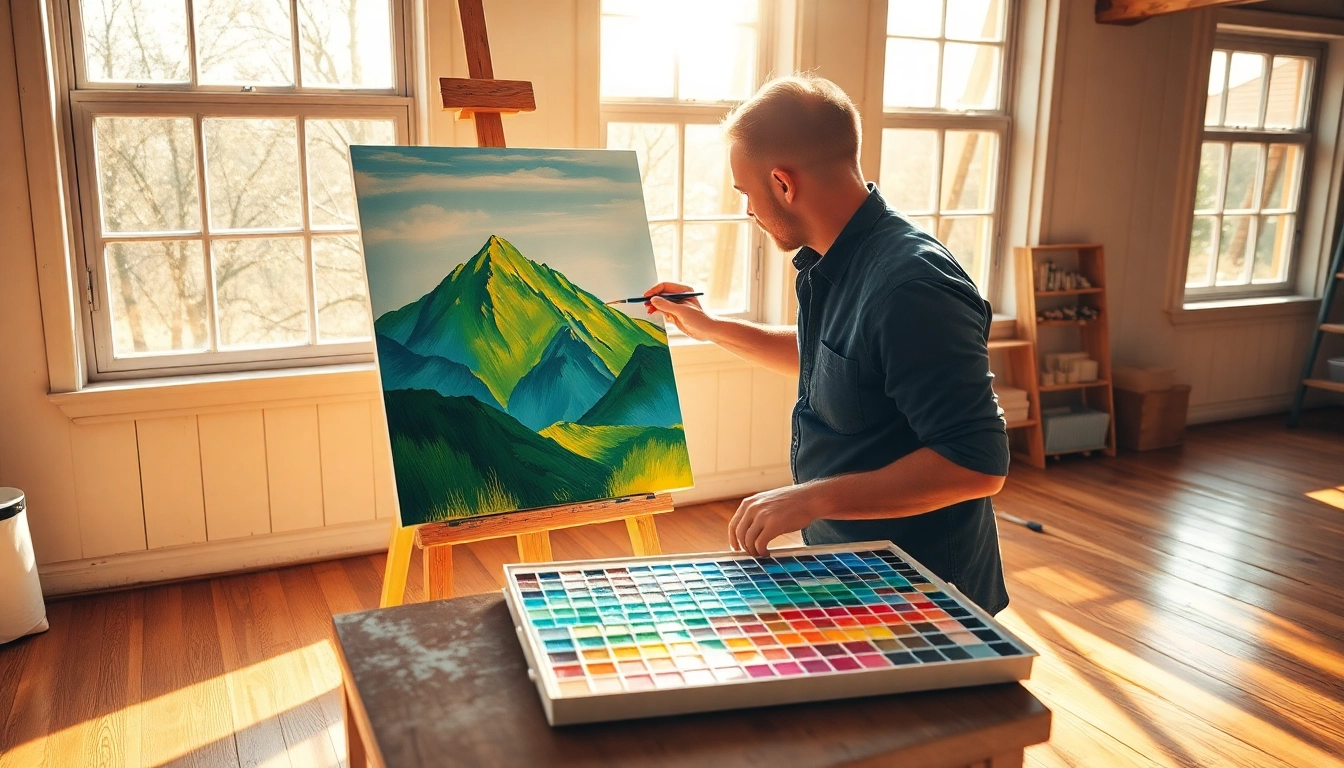
Understanding the Basics of Painting
Painting is a fundamental artistic medium that has captivated people for centuries. It allows individuals to express emotions, tell stories, and create beauty. Whether you're a beginner or a seasoned artist, understanding the basics of painting is essential for developing your skills. In this guide, we will explore various painting techniques, tools, and the critical aspects of choosing your canvas. For those looking to delve deeper into the world of painting, this comprehensive overview is a great starting point.
Different Types of Painting Techniques
There are numerous painting techniques that artists employ, each offering unique effects and outcomes. Here are some popular methods:
- Oil Painting: Known for its versatility and richness, oil paint allows for blending and layering.
- Acrylic Painting: Quick-drying and water-soluble, acrylics are ideal for beginners.
- Watercolor Painting: This technique utilizes transparent pigments and allows for beautiful washes and delicate details.
- Gouache: An opaque watercolor paint that is often used for illustrations.
- Encaustic: A technique that uses heated beeswax mixed with colored pigments, creating textured layers.
Essential Tools Every Artist Needs
To get started in painting, you’ll need some essential tools. Each medium different may require specific items, but here are the basics:
- Brushes: Various shapes and sizes for different effects.
- Paints: Choose based on the medium of your choice.
- Palette: For mixing colors effectively.
- Easel: Provides stability and comfort while painting.
- Rags and Water: Essential for cleaning brushes and mixing.
Choosing the Right Canvas for Your Painting
The canvas you choose can influence the outcome of your artwork significantly. Consider the following when selecting a canvas:
- Type: Choose between stretched canvas, canvas boards, or paper.
- Texture: Decide on smooth or textured surfaces based on your technique.
- Size: Larger canvases offer more space for intricate designs, while smaller canvases are ideal for practice or smaller pieces.
Color Theory in Painting
Color theory is crucial in painting, guiding artists in choosing and combining colors harmoniously. Understanding the basics of color theory can significantly elevate your artwork.
The Importance of the Color Wheel
The color wheel is an essential tool for understanding relationships between colors. It consists of primary, secondary, and tertiary colors. Understanding how to use it helps artists create visually appealing compositions by balancing warm and cool colors.
Mixing Colors Effectively
Mixing colors allows you to create a diverse palette. Familiarize yourself with color mixing guidelines:
- Mix primary colors to make secondary colors.
- Blend complementary colors to dull their vibrancy for shadowing.
- Experiment with ratios to achieve the desired shade or tint.
Create Depth with Color Contrasts in Your Painting
Using contrasts, such as light vs. dark and warm vs. cool colors, can create depth in your painting. This technique draws the viewer's eye and adds dimension, making your art feel more dynamic.
Finding Inspiration for Your Painting
Inspiration can come from anywhere, but knowing where to look can improve your creative practice. Here are several strategies to find fresh ideas for your paintings.
Nature as a Motivation for Painting
Nature is an endless source of inspiration. Take walks in parks, observe landscapes, or experiment with floral still-life to draw inspiration from natural forms, colors, and textures.
Exploring Themes and Subjects
Considering specific themes, such as emotions, cultural events, or personal narratives, can guide your subject choices. Researching art movements that focus on particular themes can open new avenues for creative expression.
Using Mood Boards to Spark Creativity
Creating mood boards can help visualize your ideas. Collect images, colors, textures, and materials that resonate with you. This collage can serve as a reference point throughout your painting process.
Advanced Painting Techniques
As you grow more comfortable with the basics, diving into advanced painting techniques can elevate your work. Here are some approaches worth exploring:
Layering for Masterful Texture in Paintings
Layering involves applying multiple coats or layers of paint to achieve depth and texture. Techniques include glazing, scumbling, and impasto, each providing a unique feeling to your artwork.
Using Glazing Techniques to Enhance Color
Glazing involves applying thin, transparent layers of paint over dried layers to modify color tones and add richness. It can produce unprecedented luminosity.
Experimenting with Mixed Media in Your Painting
Mixed media combines various artistic forms and materials. Incorporating paper, fabric, or other materials can introduce new textures and depth, enriching your artwork significantly.
Evaluating and Improving Your Painting Skills
Continuous improvement is crucial for any artist. Here are ways to evaluate your work and elevate your painting skills.
How to Critique Your Own Work Effectively
Self-critique is essential for progress. Set aside time to assess your work, noting areas of strength and those needing improvement. Seek constructive feedback from peers or mentors as well.
Participating in Painting Workshops and Classes
Workshops and classes are excellent opportunities for learning new techniques and receiving professional guidance. They also provide a platform for networking with other artists.
Setting Goals for Continuous Improvement in Your Painting
To progress, set specific, measurable, and achievable goals that challenge you while remaining realistic. For instance, dedicate time each week to practicing a specific technique or complete a series of paintings based on a theme.
FAQs About Painting
What type of paint is best for beginners?
Acrylic paint is often recommended for beginners due to its ease of use, quick drying time, and versatility.
How can I protect my finished painting?
Use a varnish or sealant specifically designed for your painting medium to protect against dust and UV light.
What is the best way to clean painting brushes?
Rinse brushes in water (for acrylics) or solvents (for oils), then use soap to remove all paint and reshape the bristles.
How do I choose a subject for my painting?
Think about personal interests, themes you want to explore, or even current events that inspire you to create.
Can I paint on surfaces other than canvas?
Absolutely! You can paint on wood, paper, fabric, and even walls, depending on the medium and technique.