Understanding Stationary Emergency Showers
In an industrial setting, safety is paramount, and one critical way to enhance workplace safety is by installing stationäre Notdusche für Unternehmen. These emergency showers are designed to provide immediate decontamination for employees in the event of exposure to harmful substances. Understanding the various aspects of these safety fixtures is essential for compliance and ensuring the wellbeing of personnel.
What is a Stationary Emergency Shower?
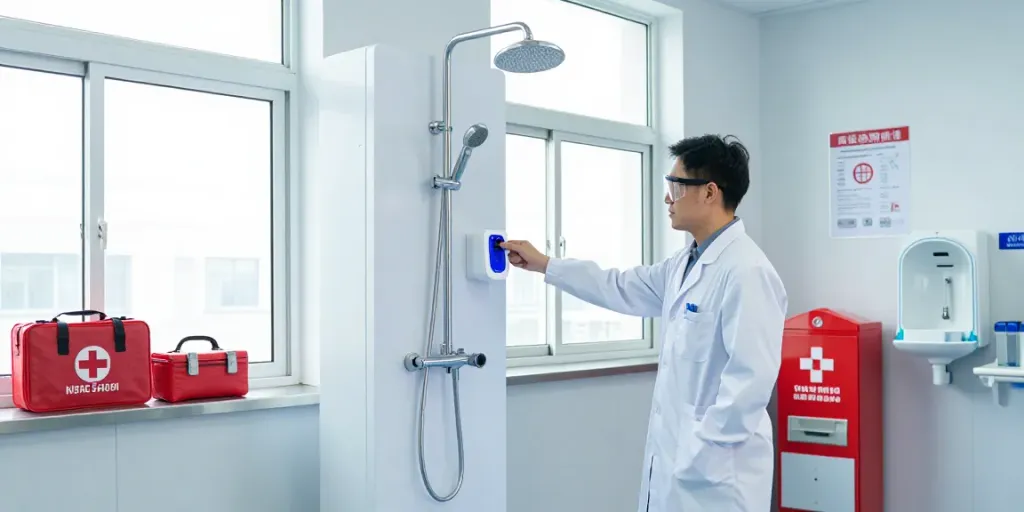
A stationary emergency shower is a device installed in workplaces that require immediate access to safety measures in case of hazardous exposure. Unlike portable options, these units are fixed installations designed to deliver a wide spray of water for the rapid rinsing of contaminants from the body. The immediate availability of such a unit can be life-saving, particularly in environments dealing with chemicals, heat, or other hazardous materials.
Importance of Emergency Showers in Industrial Settings
Emergency showers serve a crucial role in maintaining workplace safety standards, especially in sectors such as manufacturing, laboratories, and chemical processing. They allow for quick response to incidents involving exposure to corrosive substances or harmful agents, thus minimizing the potential for serious injuries or long-term health effects. Compliance with health and safety regulations mandates the presence of emergency showers in areas where exposure to hazardous materials is possible.
Standards and Compliance Regulations
Compliance with standards such as ANSI Z358.1 and EN 15154 ensures that emergency showers meet specific criteria for performance and accessibility. These regulations dictate everything from the location of the showers to the flow rate of water that must be delivered. Regular inspections and compliance checks are necessary to ensure functionality and adherence to these standards, marking them as essential components of workplace safety protocols.
Key Features to Consider
Design and Ergonomics for User Safety
When selecting a stationary emergency shower, the design should prioritize user ergonomics. Features such as an easily operable handle, which can be activated with a single motion, are critical for minimizing the effort needed in an emergency. The height and position of the shower should accommodate all users, ensuring that it is accessible to employees of varying heights and abilities.
Water Temperature and Supply Considerations
Emergency showers must deliver tepid water to prevent thermal shock during decontamination. The ideal temperature range is typically between 16°C to 38°C. Ensuring a consistent supply of water at this temperature requires a well-planned plumbing system, including the installation of temperature control devices and sufficient storage capacity.
Additional Safety Features for Enhanced Protection
Incorporating additional safety features can greatly enhance the effectiveness of emergency showers. Options such as illuminated signage, audible alerts, and even dedicated eyewash stations can be integrated to create a comprehensive safety solution. Furthermore, drip trays and drainage systems are recommended to manage runoff water effectively and maintain a safe environment around the shower unit.
Installation and Maintenance Best Practices
Choosing the Right Location for Installation
Location is key when installing stationary emergency showers. They should be situated within a 10-second reach from any area where hazardous materials are handled. It’s vital to assess the layout of the workspace to determine the optimal positions for easy access without hindrance from equipment or obstacles.
Regular Maintenance Requirements
Maintaining emergency showers is crucial for ensuring they function correctly when needed. Regular inspections should include checking the water flow rate, ensuring the activation mechanism is operational, and confirming that the water temperature remains within safe limits. A documented maintenance schedule should be adhered to, ensuring compliance with industry regulations.
Documenting Inspection Procedures
Documentation of all inspections and maintenance activities is essential for compliance and safety audits. A record-keeping system that includes dates, findings, and maintenance actions taken helps ensure accountability and provides a reference for future inspections, aiding in maintaining safety standards.
Customization Options for Specific Needs
Tailoring Showers for Extreme Environments
In environments with extreme temperatures, additional features such as heating or cooling units may be necessary to maintain appropriate water temperatures. This customization ensures that emergency showers remain effective regardless of the surrounding conditions, thereby enhancing employee safety in challenging environments.
Integrating Additional Safety Equipment
For enhanced occupational safety, it may be prudent to integrate additional safety equipment alongside emergency showers. Options such as first aid kits, chemical spill kits, and signage can create a more comprehensive safety culture in the workplace. This integration can further minimize risks associated with hazardous materials.
How to Request Custom Solutions
When specific needs arise, employers should seek customized solutions by contacting suppliers with detailed requirements. Many manufacturers offer tailored services that include the design and installation of emergency showers based on unique workplace needs and compliance requirements.
Future Trends in Workplace Safety Equipment
Innovative Designs and Technologies
As technology evolves, new designs for emergency showers are emerging that incorporate smart technology for enhanced safety. Features such as automatic activation and monitoring systems for remote diagnostics can provide real-time data on the functionality of emergency showers, ensuring they are always operational.
Anticipating Changes in Safety Regulations for 2026
With ongoing changes in workplace safety regulations, it’s essential for employers to stay informed about updates that may affect the implementation of emergency showers. Continuous education on compliance requirements will help businesses adapt and maintain safety standards effectively.
Case Studies: Successful Implementations
Examining case studies of successful implementations of emergency showers can provide valuable insights into best practices and innovations. Companies that have integrated advanced safety features often report lower incident rates and improved employee confidence in workplace safety measures.
What are the regulations governing emergency showers?
Regulations concerning emergency showers are primarily dictated by occupational safety standards, including ANSI Z358.1 and local laws, which outline requirements for installation, maintenance, and accessibility.
Can emergency showers be customized for specific workplace needs?
Yes, emergency showers can be customized to suit specific environments by incorporating features suited to conditions such as extreme temperatures or unique hazards present in a facility.
What maintenance practices ensure effective operation?
Effective maintenance practices include regular inspections, temperature checks, flow rate assessments, and documentation of all maintenance activities to ensure compliance and operational readiness.
How to assess the right location for installation?
To assess the right location for installation, conduct a thorough risk assessment of the workspace to determine the optimal placement that allows for swift access in an emergency.
What are the benefits of additional safety features?
Additional safety features, such as audible alerts and illuminated signage, can significantly enhance the visibility and accessibility of emergency showers, ensuring that help is readily available in an urgent situation.