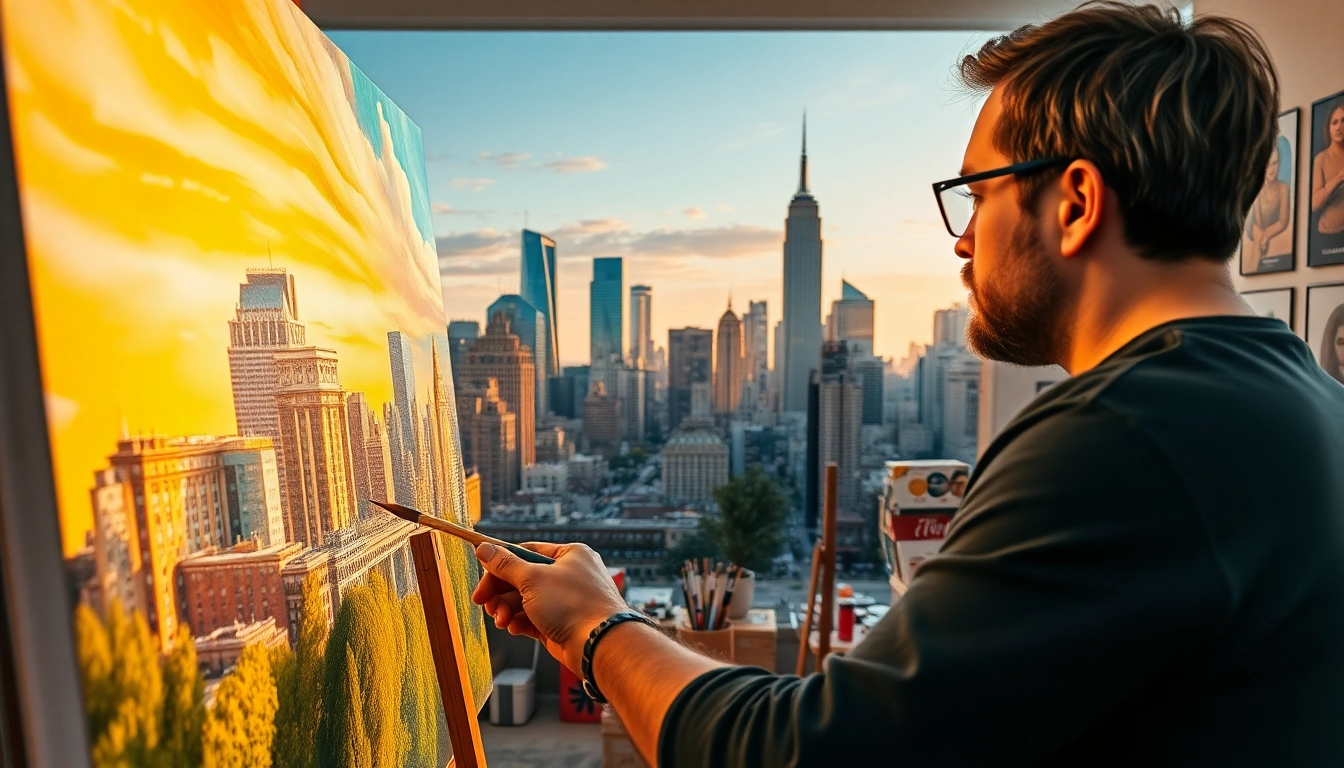
Understanding Painting Fundamentals
Painting is more than just applying color to a surface; it's a form of expression that has evolved significantly over centuries. Understanding the painting fundamentals can enhance creativity and technique, making anyone from a novice to an experienced artist aware of the essentials of this beautiful art form.
1.1 The History of Painting
The history of painting stretches back to prehistoric times, with the earliest known examples found in cave paintings dating around 40,000 years ago. These early works often depicted animals and human figures, serving as both decorative and communicative purposes. As civilizations advanced, so did painting techniques and styles. The Egyptians used a strict color palette and symbolism; the Greeks further refined realism through proportion and perspective, leading to the breathtaking frescoes of the Renaissance. Over the centuries, various movements, such as Impressionism and Surrealism, shifted the focus towards emotion and perspective rather than strict representation, further revolutionizing the medium.
1.2 Basic Painting Techniques
Familiarizing oneself with basic painting techniques is crucial for anyone wishing to explore this art form. Some foundational techniques include:
- Brushwork: Experimenting with different brush strokes can create texture and depth.
- Layering: Applying multiple layers of color allows for dimension and vibrancy.
- Glazing: This technique involves applying a transparent layer over a dry base layer to enhance color depth.
- Wet-on-wet: This method entails painting on a wet surface, allowing colors to blend seamlessly.
1.3 Essential Tools for Beginners
Before embarking on a painting journey, having the right tools is essential. Here’s a list of basic tools you’ll need:
- Pencils: For sketching outlines.
- Brushes: Various sizes and shapes for detail and coverage.
- Paints: Acrylic, oil, or watercolor based on your preference.
- Palette: For mixing colors.
- Canvas or Paper: The surface where you will create your art.
Exploring Different Painting Styles
Once you grasp the basics, diving into various painting styles can invigorate your artistic growth. Each style offers unique creative opportunities and challenges that cater to different artists' visions.
2.1 Realism vs. Abstract Painting
Realism seeks to portray subjects as they appear in everyday life, often focusing on details and colors that mimic reality. On the other hand, abstract painting prioritizes expression and emotion over representational accuracy. This divergence in styles means that choosing one depends largely on your objectives as an artist and the emotions you wish to convey.
2.2 Watercolor, Acrylic, and Oil Painting
Choosing a medium can significantly affect your artistic expression:
- Watercolor: Known for its fluid transparency and unpredictability, it's excellent for creating soft effects.
- Acrylic: Quick-drying and versatile, acrylics can mimic the characteristics of both oil and watercolor.
- Oil: These paints allow for rich textures and colors but take longer to dry, offering a longer working time for detail-oriented artists.
2.3 Choosing the Right Style for You
Selecting a painting style that resonates with your artistic vision is vital. Consider the following when deciding:
- Your emotional connection to the style.
- The techniques you enjoy using.
- Your subject interests and themes you want to explore.
Overcoming Common Painting Challenges
Every painter encounters challenges, but successful artists learn to navigate these obstacles gracefully. Identifying common issues can empower you to overcome them quickly.
3.1 Battling Creative Block
Creative block can be a daunting experience. To combat it, try changing your environment, exploring new themes, or engaging in timed exercises where you paint without overthinking. Regular practice and exposure to different art forms can also help rekindle your creative inspiration.
3.2 Managing Painting Materials
Keeping track of your materials can be overwhelming, especially with multiple supplies. Organize your space by categorizing tools and paints, labeling containers, and maintaining a checklist to ensure you have everything you need before starting a project.
3.3 Troubleshooting Common Errors
Artistic mistakes are part of the journey. Some common issues include muddy colors, disproportionate figures, and uneven textures. To troubleshoot, assess where the error arose and practice specific correction techniques such as layering, blending, or glazing to rectify the issues in your artwork.
Finding Inspiration for Your Painting
Finding inspiration can often feel elusive. However, there are numerous sources of creativity around you that can spark artistic ideas.
4.1 Nature as a Muse
Nature is filled with colors, patterns, and forms. Spend time observing your surroundings, whether it's the play of light on water, the colors of a flower, or the textures of rock. Nature has been an eternal source of inspiration for artists across genres.
4.2 Drawing from Personal Experience
Your personal life is a rich tapestry of experiences. Utilizing memories, emotional moments, or significant life events can offer profound connectivity to your work, enriching your pieces with deeper meaning.
4.3 The Importance of Art Communities
Engaging with art communities and social networks can provide invaluable inspiration. Sharing work with others, exposing yourself to different styles, and partaking in group challenges can stimulate ideas and motivate you to create.
Evaluating Your Painting Progress
Tracking your growth as an artist is essential for continual improvement. Understanding how to assess your progress can help set realistic goals and highlight areas that need work.
5.1 Setting Personal Goals
Establishing specific, measurable, achievable, relevant, and time-bound (SMART) goals can provide a roadmap for your artistic journey. Focus on skills you want to develop or projects you'd like to complete over a set period.
5.2 Seeking Constructive Feedback
Obtaining feedback is key to improving your skills. Share your work within communities or with trusted individuals who offer constructive critiques—this input can guide your future projects and technique enhancements.
5.3 Documenting Artistic Growth
Keeping an art journal or portfolio can help you track your evolution as an artist. Documenting your pieces, techniques learned, and goals achieved provides a reflective space to analyze your artistic journey over time.
Frequently Asked Questions
1. What materials do I need to start painting?
As a beginner, you'll need basic tools such as brushes, canvases or paper, paints (acrylic, oil, or watercolor), and a palette for mixing colors.
2. How can I overcome a creative block?
Try changing your environment, experimenting with different styles, or setting a timer for quick sketches to help break the block and spark creativity.
3. What is the difference between realism and abstract painting?
Realism focuses on accuracy and detail whereas abstract painting emphasizes emotion and conceptual representation rather than exact likeness.
4. How can I track my progress as an artist?
Maintain an art journal or portfolio to record your artworks, setting specific goals and reflecting on your development over time.
5. Where can I find inspiration for painting?
Inspiration can be found in nature, personal experiences, or within art communities. Engaging with others can lead to new ideas and creativity!