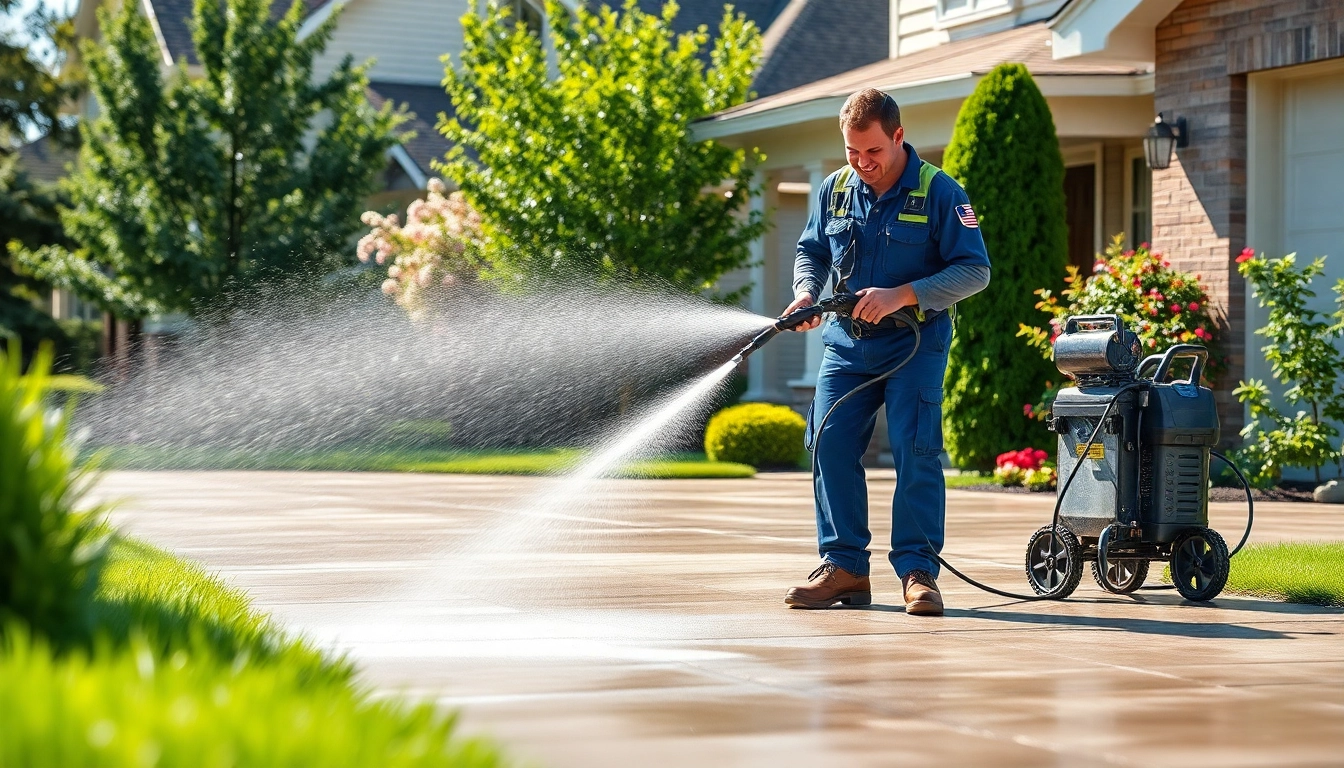
Understanding Driveway Pressure Wash
Driveway pressure washing is an essential maintenance task for homeowners that not only enhances curb appeal but also prolongs the life of your driveway. Regular cleaning removes dirt, mold, grease, and other unsightly stains, ultimately making your property look well-kept and inviting. When exploring options, driveway pressure wash services can provide comprehensive insights into maintaining and restoring your driveway's pristine condition.
What Is Driveway Pressure Washing?
Driveway pressure washing involves the use of high-pressure water spray to clean concrete, asphalt, brick, or paver surfaces. This powerful cleaning technique efficiently blasts away grime, oil stains, algae, and other contaminants that accumulate over time. Unlike simple water hose cleaning, pressure washing uses specialized equipment that can adjust pressure levels according to the surface being cleaned, ensuring effective results without damage.
Benefits of Regular Driveway Cleaning
- Enhances Curb Appeal: A clean driveway significantly improves the overall appearance of your home, creating a welcoming entry point for guests.
- Prevents Damage: Regular cleaning can prevent growth of mold and algae that can deteriorate driveway materials over time.
- Increased Safety: Removing stains and slippery substances reduces the risk of accidents, making your driveway safer for pedestrians and vehicles.
- Increased Property Value: A well-maintained driveway can enhance the value of your property, making it more appealing to potential buyers.
Common Factors Affecting Driveway Dirt Accumulation
Several environmental and lifestyle factors contribute to the accumulation of dirt and debris on driveways:
- Weather Conditions: Rain, snow, and wind can leave dirt and debris on driveways, while moist conditions promote mold growth.
- Oil and Grease: Vehicles leaking oil can leave unsightly stains that require specialized cleaning techniques.
- Foliage: Falling leaves and pollen can create stains and attract mold if not regularly cleaned.
- Foot Traffic: High foot traffic can bring in dirt from other areas, contributing to a buildup of grime.
Preparing for a Driveway Pressure Wash
Essential Tools and Equipment Needed
To successfully pressure wash your driveway, you'll need specific tools and equipment, including:
- Pressure Washer: A machine with at least 2500 PSI is recommended for effective cleaning of driveways.
- Surface Cleaner: This attachment helps achieve even cleaning on large areas without streaking.
- Protective Gear: Safety goggles, gloves, and sturdy shoes should be worn to protect yourself from water and cleaning solutions.
- Cleaning Solutions: Depending on the type of stains, you may need a specialized surface cleaner or a mild detergent mixed with water.
Safety Precautions to Take Before Starting
Before you begin pressure washing, it's crucial to take safety precautions to avoid accidents:
- Ensure that all electrical outlets and extensions are covered and away from water.
- Clear the driveway area of any obstacles, including cars, plants, and furniture.
- Wear appropriate protective gear to safeguard against debris and chemicals.
- Check the equipment for any damages to hoses or connections to prevent leaks.
Choosing the Right Cleaning Solutions
Selecting the right cleaning solutions is essential for effective driveway pressure washing. For tough stains, consider using:
- Detergents: Specific detergents designed for pressure washing can help break down grease and oil.
- Eco-Friendly Solutions: If you are concerned about environmental impact, opt for biodegradable cleaners that are safe for plants and wildlife.
- Stain Removers: For particularly stubborn stains, dedicated stain removers may be necessary to achieve the desired results.
How to Perform a Driveway Pressure Wash
Step-by-Step Guide to Effective Washing
Here is a step-by-step guide to effectively pressure wash your driveway:
- Prepare the Area: Clear all debris, and cover nearby plants and electrical outlets.
- Wet the Surface: Use a hose to moisten the driveway, helping to loosen dirt.
- Apply Cleaning Solution: Using a spray wand, apply the chosen cleaning solution generously over heavily stained areas.
- Pressure Wash the Driveway: Start from one end and work your way to the other, keeping the nozzle at least 12 inches from the surface to avoid damage.
- Rinse Thoroughly: After pressure washing, rinse the driveway with clear water to remove any residual detergent.
Best Techniques for Different Driveway Materials
Driveways are often made from various materials, each requiring specific techniques:
- Concrete: Use a high-pressure nozzle for tough stains, but avoid using extreme pressure as it may cause pitting.
- Asphalt: Lower pressure settings are recommended to prevent damage, and a surface cleaner is ideal for even coverage.
- Pavers: Use a fan spray nozzle to avoid dislodging individual stones and apply gentle pressure.
Common Mistakes to Avoid During the Wash
To ensure successful results, avoid these common mistakes:
- Using too much pressure, which can damage the surface.
- Not rinsing thoroughly, leading to soap residue.
- Washing in direct sunlight, as it can cause cleaning solutions to dry too quickly, leaving streaks.
- Ignoring safety precautions, which can lead to injuries.
Aftercare and Maintenance for Clean Driveways
How to Extend the Results of Your Cleaning
After pressure washing, maintain the cleanliness of your driveway by:
- Regularly removing debris, leaves, and dirt as they accumulate.
- Sealing the driveway every couple of years to protect against stains and water penetration.
- Applying a mold inhibitor in high-humidity areas to prevent regrowth.
Signs That Your Driveway Needs Another Wash
Be on the lookout for the following signs that indicate it's time for another wash:
- Visible stains or discoloration.
- Growth of mold or algae.
- Accumulated dirt or debris that can affect the overall appeal.
- When it becomes slippery, indicating the presence of algae or grease.
Long-Term Care Tips for Different Surfaces
Long-term care varies based on material type:
- Concrete: Regular cleaning and sealing can extend the life of concrete driveways significantly.
- Asphalt: Keep it clean and seal cracks to prevent water damage and erosion.
- Pavers: Regularly check for shifting stones and top off sand as needed to keep joints secure.
Benefits of Hiring a Professional Pressure Washing Service
Why Choose Full Pressure Powerwash for Your Driveway?
Hiring a professional service like Full Pressure Powerwash offers numerous advantages:
- Expertise: Trained professionals know the best techniques and cleaning solutions for various surfaces.
- Efficient Equipment: Professionals use high-quality equipment that can make the job quicker and more effective.
- Safety: Professionals are aware of safety precautions and have the necessary protective gear, reducing the risk of accidents.
- Consistent Results: With a professional, you can expect consistent, high-quality results every time.
Customer Testimonials and Case Studies
Many of our customers have experienced transformative results with our driveway pressure washing services. For instance, Naomie F. noted how her driveway looked amazing after just one hour of service, reflecting our commitment to professionalism and quality.
Measuring Success: Customer Satisfaction and Results
At Full Pressure Powerwash, customer satisfaction is paramount. We pride ourselves on delivering outstanding results that lead to long-term relationships with homeowners across Kissimmee and Orlando. Our 5-star rated service guarantees that you will be delighted with the results of your driveway pressure wash.